IAR AND AWARD ORGANISE TRAINING ON LEADERSHIP AND NEGOTIATION SKILLS
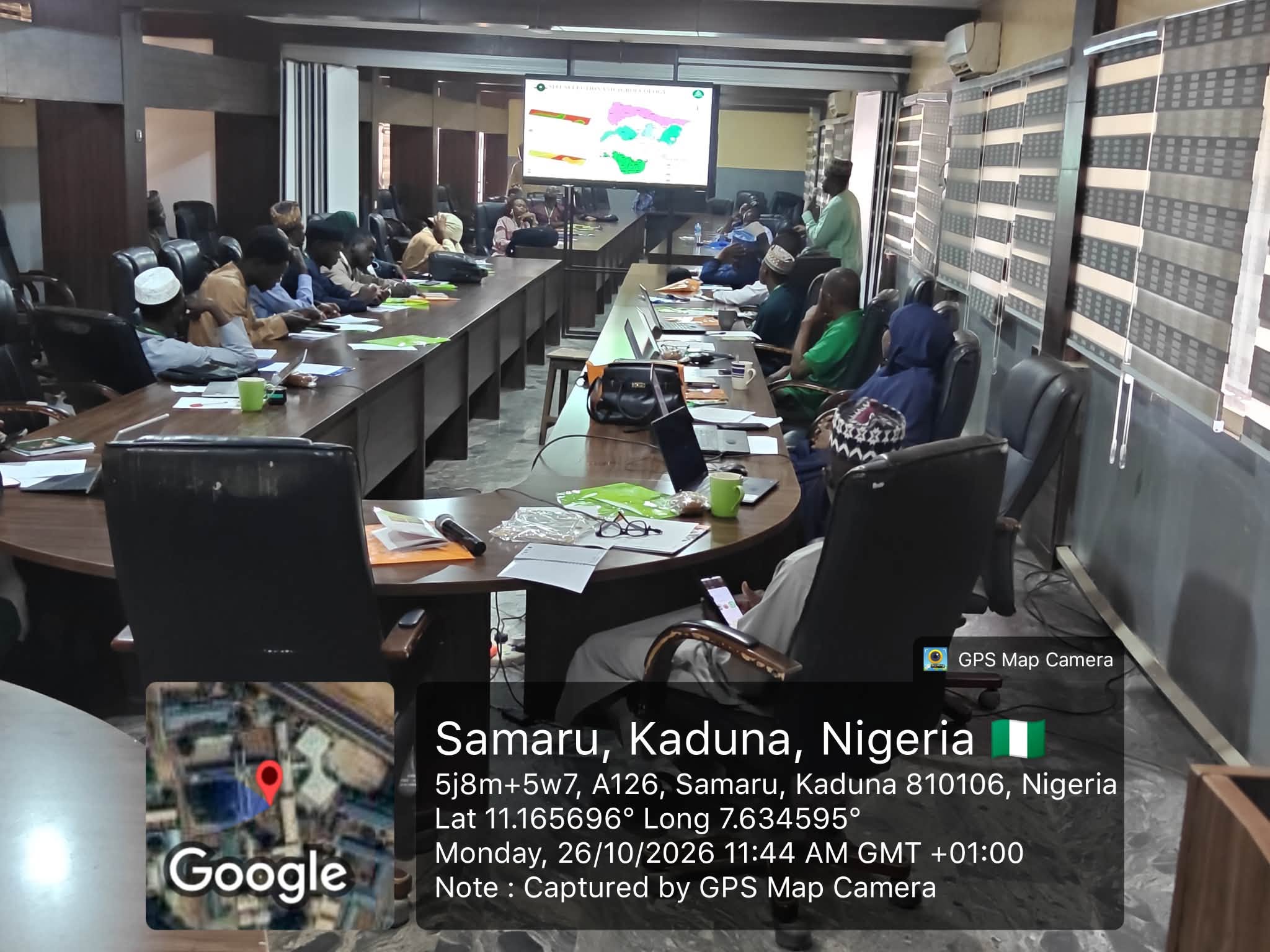
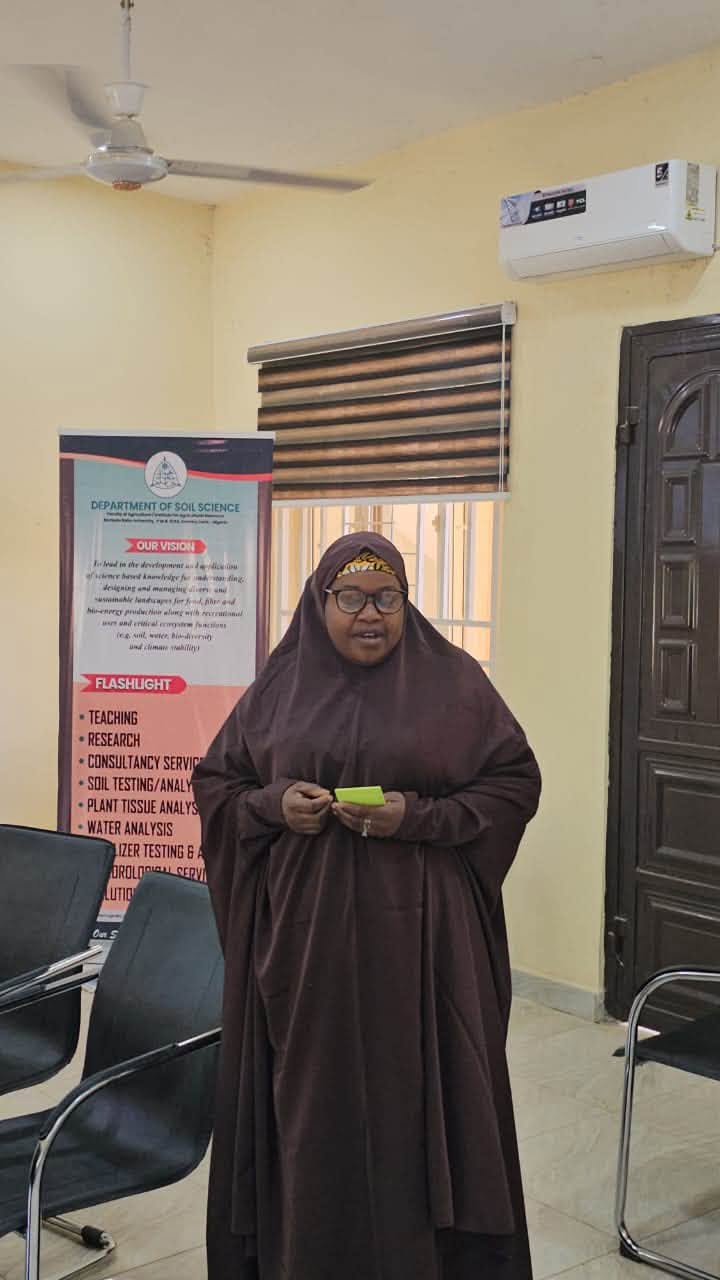
The Institute for Agricultural Research (IAR), Ahmadu Bello University, Zaria, in collaboration with African Women in Agricultural Research and Development (AWARD), on Wednesday, 28 October 2026, conducted a training on Leadership and Negotiation Skills to strengthen leadership capacity, improve interpersonal effectiveness and promote professional development among participants.
The training was conducted under the leadership of Dr. G. L. Luka and focused on essential leadership concepts and personal development skills relevant to effective leadership, teamwork and decision-making within research institutions.
The training explored several important themes, including:
Leadership versus Management: Participants examined the differences between leadership and management, highlighting how effective leaders inspire people, provide direction and drive change, while managers focus on planning, organising and coordinating resources to achieve institutional goals.
Emotional Intelligence: Discussions emphasised the importance of understanding and managing emotions, demonstrating empathy, communicating effectively and building positive professional relationships. These skills are essential for managing workplace relationships, resolving conflicts and fostering teamwork.
Mindset and Personal Development: Participants explored how attitudes, beliefs and approaches to challenges influence leadership effectiveness. The discussions encouraged a positive and growth-oriented mindset that supports continuous learning, adaptability and professional improvement.
The training reflects IAR’s commitment to strengthening the professional capacity of its workforce and promoting the leadership skills required to advance agricultural research, innovation and institutional development.
Through its collaboration with AWARD, the Institute continues to support capacity development and encourage an environment where researchers and professionals can enhance their leadership potential, build confidence and contribute more effectively to institutional goals.




Share This News