Institute for Agricultural Research,
Ahmadu Bello University,
P.M.B 1044
Zaria.

TELA Maize Is Safe for
Human and Animal Consumption, Says IAR Executive Director
The Institute for
Agricultural Research (IAR), Ahmadu Bello University, Zaria, yesterday 22nd
September 2026 has taken its “Eating Is Believing” TELA Maize sensitization
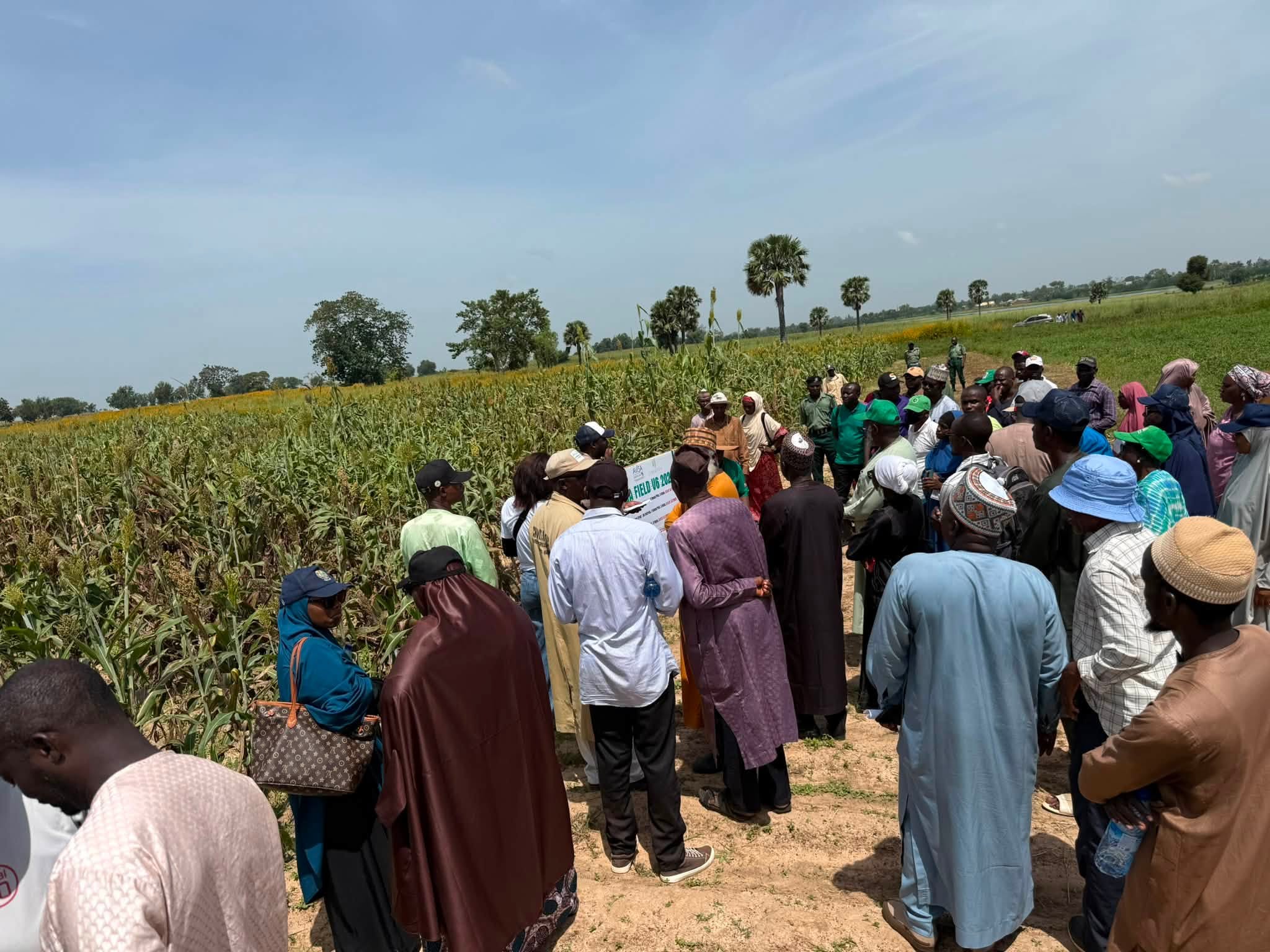
campaign to farmers at Tashar Dundu, Giwa Local Government Area of Kaduna
State, to raise awareness on the safety, benefits and performance of TELA
maize.
Speaking at the one-day
sensitization programme, the Executive Director of IAR, Prof. Ado Yusuf,
represented by the Deputy Director, Prof. Nafiu Abdu, reiterated that TELA
maize is safe for human and animal consumption. He explained that the
technology was developed to address major production challenges, particularly
fall armyworm, stem borers and drought associated with climate change.
According to the
Executive Director, farmers cultivating TELA maize have reported yields of
about 60–90 bags per hectare, compared with fewer than 50 bags from some
conventional varieties, while the insect-protected nature of the technology can
reduce the need for insecticide application and consequently lower production
costs. He also noted positive feedback from farmers regarding the quantity of
flour obtained from TELA maize.
High-Yielding and Climate-Resilient Maize
The Lead Researcher,
Prof. Rabiu Adamu, noted that Nigeria requires more than 20 million metric
tonnes of maize annually, making the adoption of improved and high-yielding
varieties important for strengthening food security.
He explained that TELA
maize combines high yield potential, drought tolerance and protection against
major insect pests, with the potential to produce approximately 7–9 tonnes per
hectare under appropriate conditions.
Speaking on behalf of
farmers, the Chairman of the All Farmers Association of Nigeria (AFAN), Kaduna
State Chapter, Alhaji Nuhu Aminu, encouraged farmers to embrace improved
varieties capable of withstanding drought and other production challenges. He
also called for increased government support to indigenous research
institutions such as IAR and greater access to subsidised agricultural inputs,
including improved seeds, fertilisers and crop protection products.
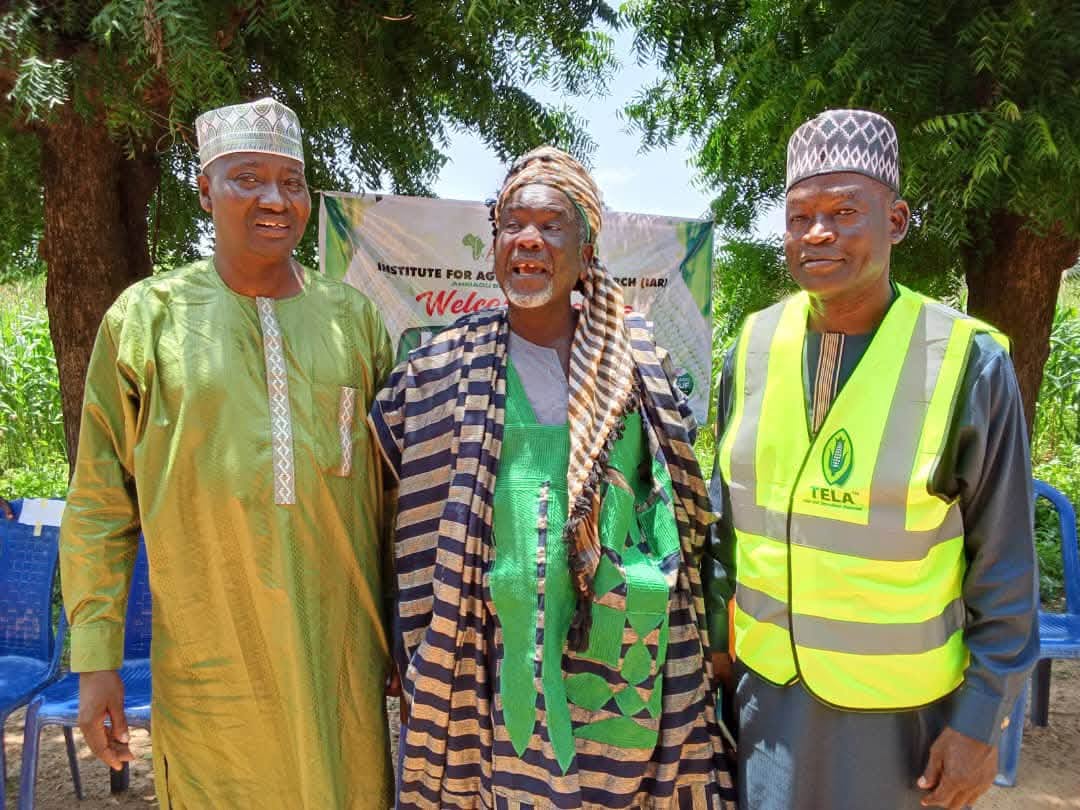
The sensitisation
programme attracted traditional rulers from neighbouring communities, farmers
and representatives of the Agricultural Department of Giwa Local Government
Council. Participating farmers also shared their experiences, describing TELA
maize as drought-tolerant, pest-resistant and capable of delivering improved
yields.
Eating Is Believing
A major highlight of
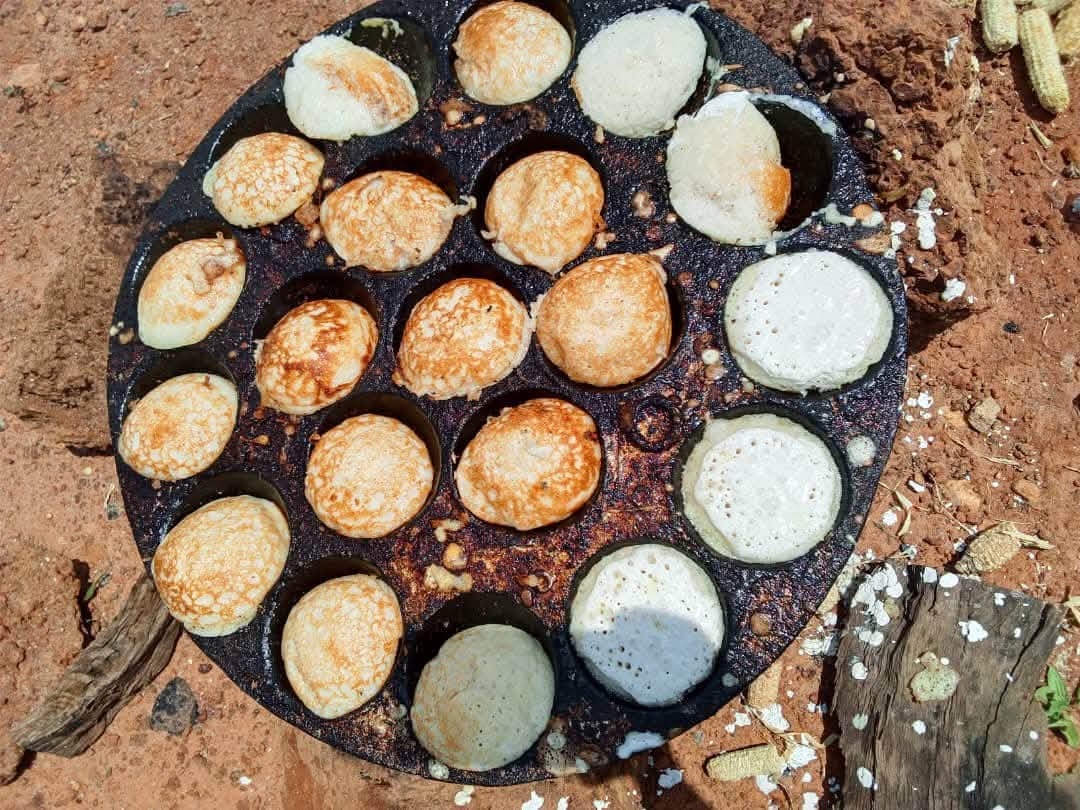
the programme was the preparation and consumption of traditional foods made
from TELA maize, including Tuwo, Masa and Kunun Zaki. Guests, farmers and other
participants freely consumed the food as part of the practical demonstration.
The activity provided
an opportunity for farmers and community members to directly experience food
prepared from TELA maize and served as a platform for addressing concerns and
misconceptions surrounding the safety and consumption of genetically modified
crops.
Through initiatives
such as this, IAR continues to bridge the gap between agricultural research and
farmers, providing communities with practical information and opportunities to
engage directly with improved agricultural technologies.
See it in the field.
Taste it at the table. Make informed decisions.
Institute for
Agricultural Research (IAR), ABU Zaria
Driving Agricultural
Research, Innovation and Transformation.
#IAR #TELAMaize #EatingIsBelieving #Giwa #KadunaState #MaizeProduction #FoodSecurity #AgriculturalResearch #ImprovedSeeds #ClimateSmartAgriculture #Farmers #ABUZaria #AgriculturalInnovation
Share This News